SIGN UP NOW FOR COST SHARE ON COVER CROPS!

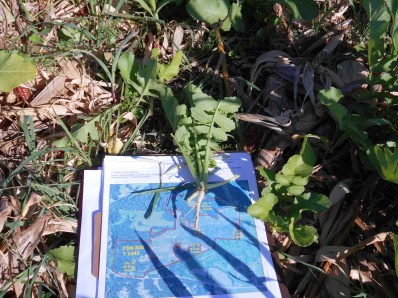
Cover Crop (2)Applications for planting cover crops, 2 species, 3 species or 5 species mixes are now being accepted in our office.  Example mixes are HERE.  We are also accepting applications for assistance for sowing down cropland to grassland.  You may print and SIGN UP HERE for cost share on FALL 2020 cover crops. OLYMPUS DIGITAL CAMERA
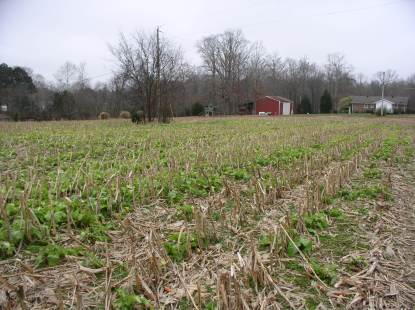
Approval of applications will be based on agreement to follow COVER CROP specifications and standards as well as availability of funding.

Send all applications to NLHolt@mcgtn.net (or drop box in front of our building) and call us to make sure we receive.  Let us know if you have any questions!

Cost Share Application

Cover Crop Specifications

Cover Crop Example Mixes

Posted in Uncategorized | Leave a comment

Montgomery Conservation Projects Still Going Strong!

SCD FB

LIKE us on our Facebook page for links to some great videos of what’s happening on Montgomery County farms, helpful local workshops, and ongoing projects for soil and water conservation…also, we will post announcements on program signups and office operating procedures as they change!

Posted in Uncategorized | Leave a comment

2020 MILAN NO-TILL FIELD DAY

THE JULY 23 NO-TILL FIELD DAY AT MILAN WILL LOOK A LITTLE DIFFERENT…but still packed with lots of great tools!2020_MILAN FIELD DAY

  • All events can be accessed starting July 23, 2020 via the internet from the comfort of your home, office, tractor cab, or truck!
  • After 40 years, Milan No Till Field Day goes Online with More Tours, More Speakers, More No-Till Information!
  • Access to all research tours during and after the field day
  • Pesticide Recertification points and CCA CEU’s
  • Virtual Tour of AgResearch and Education Center at Milan and the West Tennessee Agricultural Museum


Posted in Uncategorized | Leave a comment

“TO PLANT GREEN OR NOT TO PLANT GREEN”

“TO PLANT GREEN OR NOT TO PLANT GREEN”
Nathan Hicklin
USDA/NRCS District Conservationist – Springfield, TN
TO PLANT GREEN OR NOT TO PLANT GREEN (1)I will preface this article, by saying that after you read this, you will not have the “one size fits all” answer! With more growers planting cover crops as part of a soil health management system, I get this question a lot. “Should I plant green or wait for the cover crop to completely terminate?” My answer most of the time, like many things in production agriculture is, “it depends”. Cover crop management strategies will be different for every grower depending on equipment capabilities, field conditions, inherent soil properties, weather conditions, and the list goes on.TO PLANT GREEN OR NOT TO PLANT GREEN (2
Generally, I tend to lean toward my answer being, plant green, especially with corn. In late March and April weather conditions are usually wet and soils tend to be “heavier”. Planting green takes advantage of the cover crop still being able to pull moisture out of the soil as it slowly dies. This has proven to be very beneficial, especially on river/creek bottoms and poorly drained soils. When cover crops are terminated early, they will continue to hold moisture, which in turn can greatly increase the amount of days it takes before field conditions are right to plant the cash crop. I have noted while working with experience growers that planting green provides better closing of the furrow and less hair pinning.TO PLANT GREEN OR NOT TO PLANT GREEN (3
If you are going to plant green, my guidance is usually to apply herbicides 1-2 days before or after planting. Depending on weather forecast and inherent nature of soils, we have some growers delaying termination up to a week to allow the cover crop to pull out excess moisture. I usually discourage growers from planting into cover crops when they are “yellow”, I have seen this method cause planting issues in the past, like not being able to properly cut through the residue and causing some hair pinning issues.TO PLANT GREEN OR NOT TO PLANT GREEN (4
As far as soybean planting goes, I feel like there are usually less complications with terminating cover crops 2+ weeks prior to planting. From mid-May through June we usually have less rain and warmer temperatures as compared to late March through first of May. Depending on planter set up and whether you have access to an implement to roll down the cover crop, covers can get so big that I have seen issues planting through cover crops that are chest to head high. I always promote as much biomass as practical for successful planting to provide lasting residue throughout the growing season to conserve soil moisture, reduce soil crusting and keeping the surface aggregated to facilitate infiltration for those much-needed summer showers. Like green planting corn, this is usually a case by case basis; based on field conditions, what was in the cover crop mix and how thick the stand is.
As I mentioned in the beginning of this article, I would not be giving you a “one size fits all” answer and if someone tells you they do have that “one size fits all” answer, I would be very leery! Whether we are growers, private agricultural consultants, agronomists or soil conservationists our job should be to give others information and tools to help them make informed economical decisions to rejuvenate degraded soils and have a healthy productive crop.

Posted in Uncategorized | Leave a comment

CORONAVIRUS FOOD ASSIST PROGRAM

CFAPAre you a farmer or rancher whose operation has been directly impacted by the coronavirus pandemic? The Coronavirus Food Assistance Program will provide direct relief to producers who have suffered losses during the 2020 marketing year due to COVID-19.

USDA Secretary Sonny Perdue announced the Coronavirus Food Assistance program on April 17, 2020. CFAP will use funding and authorities provided in the Coronavirus Aid, Relief, and Economic Security Act, the Families First Coronavirus Response Act, and other USDA existing authorities. This $19 billion immediate relief program will provide critical direct support to our farmers and ranchers, maintain the integrity of our food supply chain, and ensure every American continues to have access to the food they need.

FOR INFORMATION ON HOW TO APPLY, VISIT farmers.gov/CFAP

Posted in Uncategorized | Leave a comment